

Artificial Intelligence (AI) is no longer a futuristic concept; it is actively reshaping industries across the globe. Businesses are leveraging AI to automate processes, enhance customer experiences, and improve decision-making. From chatbots providing instant customer support to predictive analytics in healthcare, AI is unlocking endless possibilities. Industries such as finance, retail, manufacturing, and transportation are experiencing significant advancements due to AI integration. Key Benefits of AI: Data Analysis – AI processes vast amounts of data quickly, improving insights and decision-making. Automation – Reduces human workload, minimizes errors, and increases efficiency across industries. Personalization – Enhances customer experiences with tailored recommendations and services. Security – AI-powered algorithms detect fraud and improve cybersecurity measures. Despite these advancements, ethical concerns regarding data privacy, bias in algorithms, and job displacement remain challenges. Businesses must implement AI responsibly, ensuring transparency and fairness. With continuous innovation, AI will further evolve, making businesses more efficient, secure, and data-driven. Organizations that embrace AI will gain a competitive edge in the digital era.
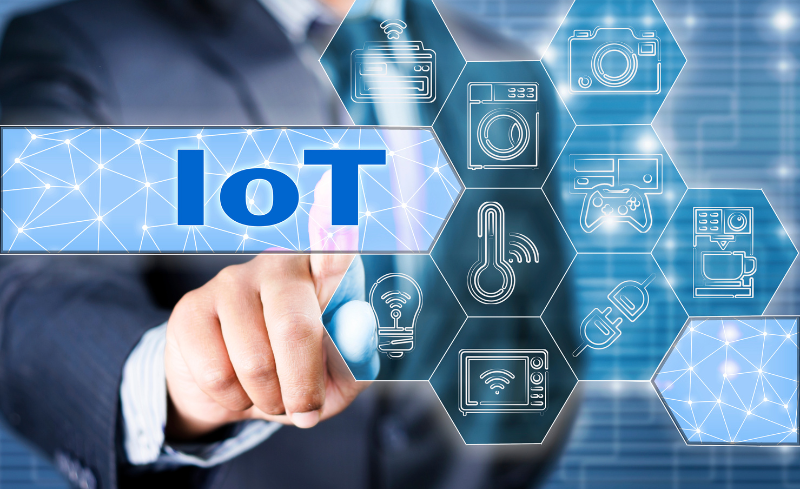
How IoT is Revolutionizing Smart Businesses and Everyday Life
The Internet of Things (IoT) is connecting devices, people, and businesses like never before. From smart homes to industrial automation, IoT enables seamless data exchange and real-time monitoring. Businesses are leveraging IoT to optimize operations, reduce costs, and improve decision-making. Industries Benefiting from IoT: Healthcare – Remote monitoring and wearable devices enhance patient care. Agriculture – Smart irrigation and sensors optimize water usage and increase crop yields. Logistics – GPS tracking and real-time data improve fleet management and deliveries. Smart Cities – IoT improves traffic flow, energy efficiency, and public safety. Despite its advantages, IoT presents cybersecurity risks and interoperability challenges. Businesses must implement strong security measures, including encryption and multi-factor authentication, to protect IoT ecosystems. As technology advances, IoT adoption will continue to expand, driving digital transformation and enhancing both personal and professional lives.

Blockchain Beyond Cryptocurrency: Real-World Applications for Businesses
Blockchain technology is often associated with cryptocurrencies, but its potential extends far beyond digital currency. Businesses are utilizing blockchain for secure transactions, supply chain management, and digital identity verification. The decentralized nature of blockchain ensures data integrity, reducing fraud risks. Practical Applications of Blockchain: Finance – Secure, transparent transactions and smart contracts reduce processing time and costs. Supply Chain – Real-time tracking improves transparency and prevents counterfeit goods. Identity Management – Secure digital identities reduce fraud and improve verification processes. Healthcare – Enhances data security and interoperability of medical records. Despite its potential, blockchain faces challenges, including scalability and regulatory concerns. Businesses must invest in research and development to explore practical applications of blockchain technology. As the technology matures, blockchain will continue to drive innovation, offering businesses enhanced trust, security, and transparency.

Cloud Computing: Empowering Businesses with Scalable and Secure Solutions
Cloud computing has revolutionized how businesses store, process, and manage data. It offers scalable, flexible, and cost-effective solutions, enabling organizations to enhance collaboration and security. Key Benefits of Cloud Computing: Scalability – Adjust resources on demand, reducing costs and improving efficiency. Flexibility – Remote access enables seamless collaboration and productivity. Security – Advanced encryption and multi-layer protection safeguard data. Cost-Effectiveness – Reduces infrastructure expenses and IT maintenance. Cloud computing is essential for digital transformation, helping businesses stay competitive in an increasingly data-driven world.

Cybersecurity in the Digital Age: Protecting Businesses from Evolving Threats
As cyber threats become more sophisticated, businesses must prioritize cybersecurity to protect sensitive data and maintain customer trust. Implementing robust security measures is essential in today’s digital landscape. Essential Cybersecurity Measures: Encryption – Safeguards data from unauthorized access. Multi-Factor Authentication – Enhances login security. Firewalls & Antivirus – Prevents malware attacks and cyber intrusions. Regular Audits – Ensures compliance and detects vulnerabilities. Investing in cybersecurity not only safeguards businesses from cyber threats but also strengthens operational resilience, builds customer trust, and ensures data integrity. Proactive security measures protect digital assets, prevent disruptions, and maintain compliance, allowing businesses to thrive in an increasingly connected and risk-prone digital landscape. Secure today, succeed tomorrow.

Augmented & Virtual Reality: Transforming Digital Experiences
Augmented Reality (AR) and Virtual Reality (VR) are reshaping industries by delivering immersive and interactive experiences. These technologies are widely used in gaming, education, healthcare, and marketing. Applications of AR & VR: Gaming – Enhances realism and player engagement. Education – Provides interactive learning experiences. Healthcare – Assists in medical training and remote surgeries. Retail & Marketing – Enhances customer experiences through virtual try-ons and product demos. With continued advancements, AR and VR will revolutionize industries by enhancing innovation, engagement, and immersive experiences. From gaming and education to healthcare and marketing, these technologies will transform interactions, improve efficiency, and create new opportunities, ultimately reshaping both business operations and consumer experiences in the digital era.
